
Water-binding ingredient
Hyaluronic acid, a humectant that helps hold moisture
HYALURONIC ACID · HYALURONATE
A widely used humectant that attracts and holds water around the skin to help maintain a moisturised feel. Its label name and feel can vary by form.
Products featuring this ingredientWHAT IT MEANS
Why is this ingredient used?
Different label names can result when hyaluronic acid is paired with sodium or potassium, adjusted in molecular size, or crosslinked. “Eight types” means eight related ingredients are listed; it does not mean eight times the hydration.
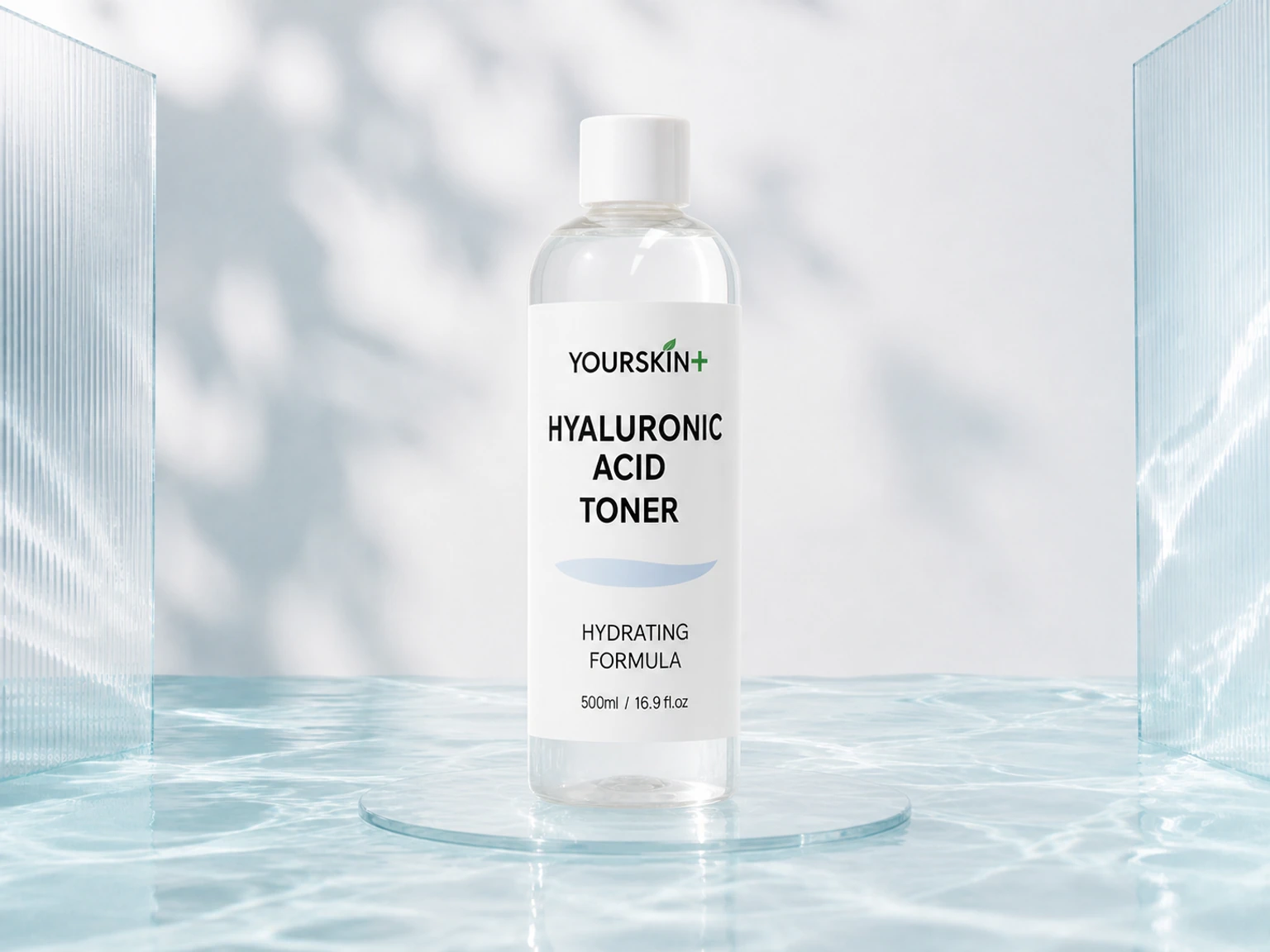
The toner label lists sodium hyaluronate at 1,100 ppm plus seven additional HA-related ingredients.
CONNECTED FORMULAS
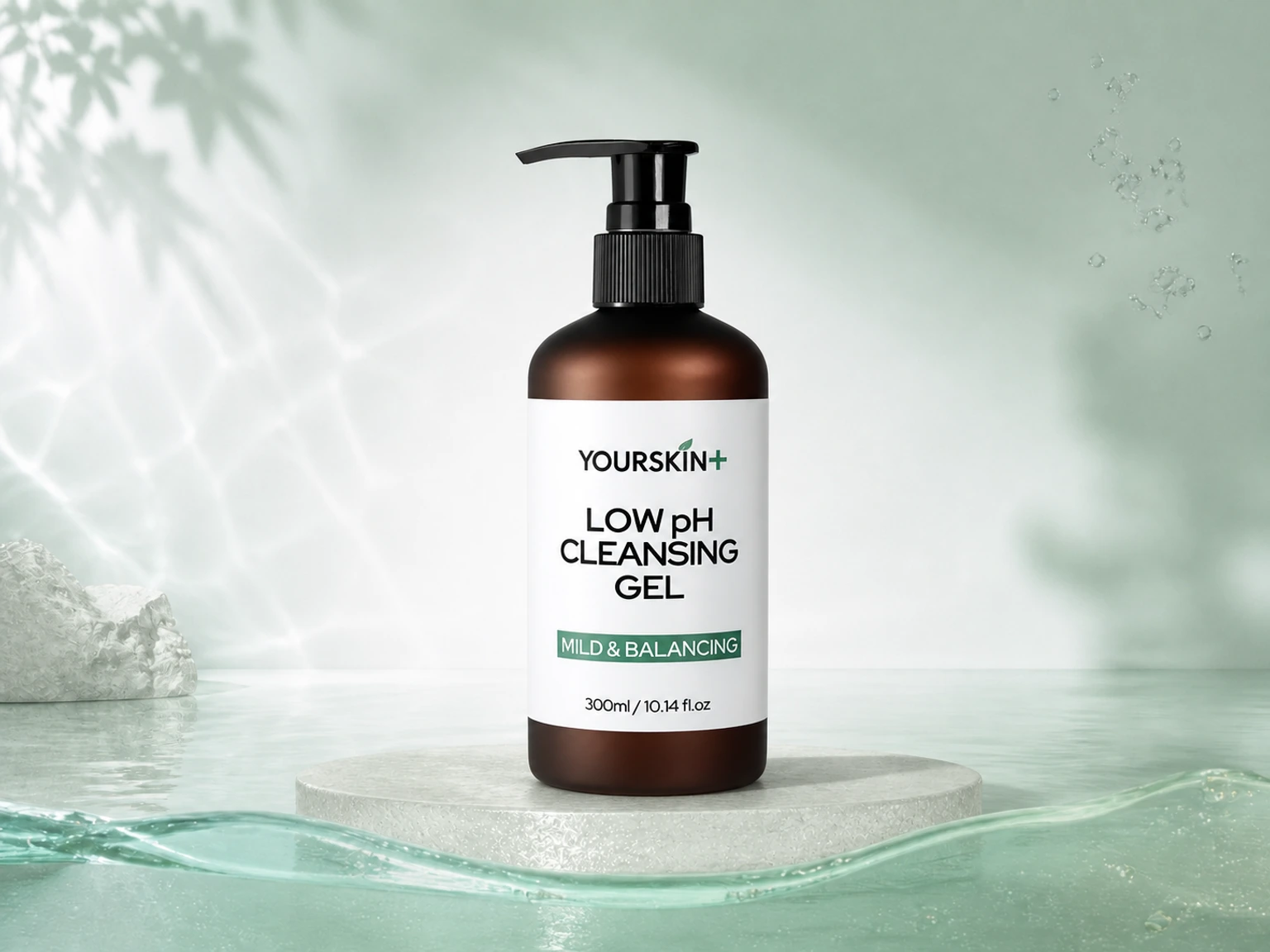
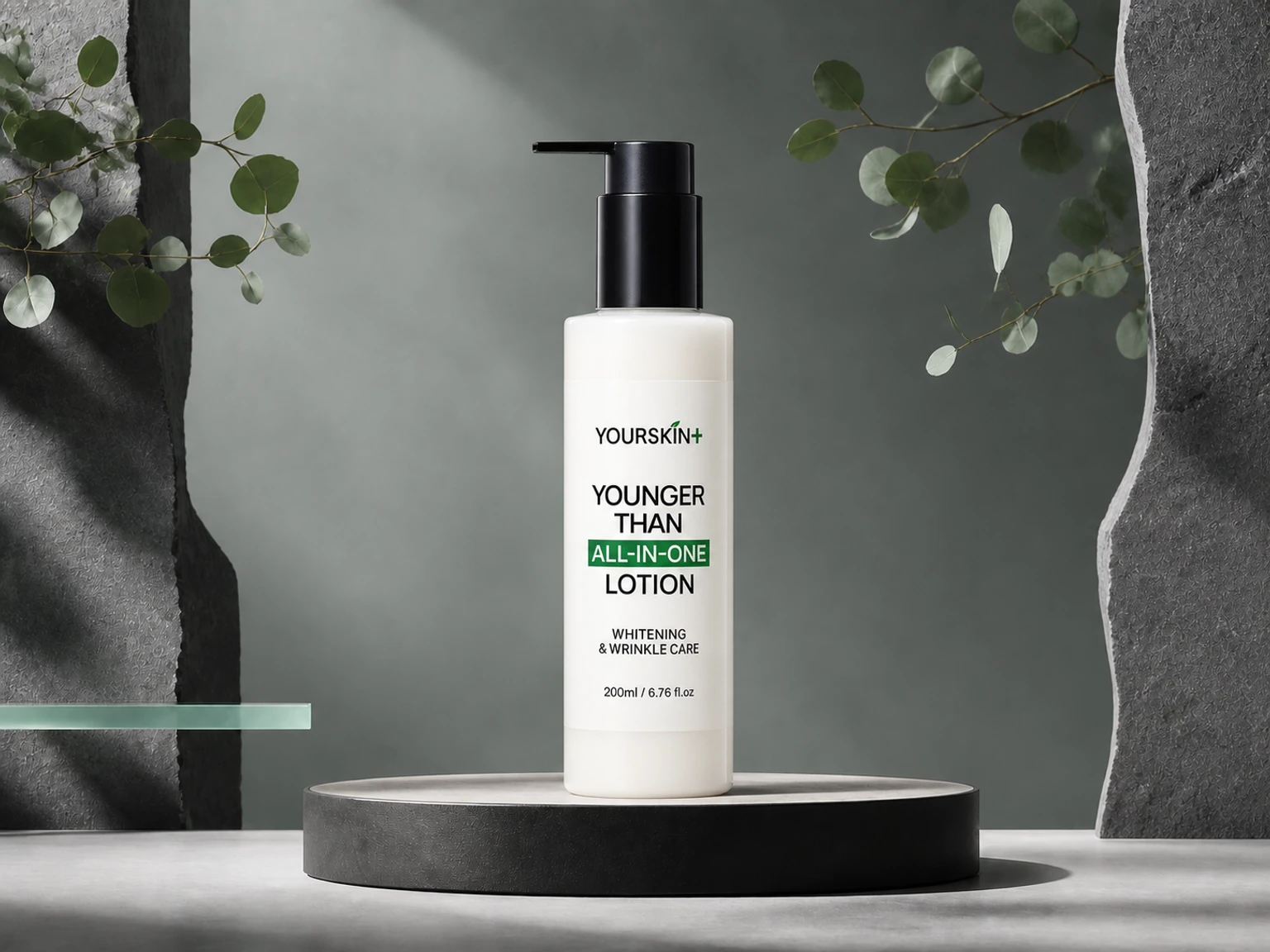
Products featuring this ingredient
INGREDIENT NOTES
What should you check about Hyaluronic Acid?
Start with what the name means, then see what was actually verified on the product label.
Do eight types mean eight times the hydration?
No. “Eight types” means that eight different hyaluronic-acid-related ingredients appear on the ingredient list. It does not mean that hydration increases eightfold.
The feel of a formula depends on the amount and form of each material as well as other humectants such as glycerin, oils, texture and the amount applied.
Why the names change with the form
When hyaluronic acid is paired with sodium or potassium, it can appear as Sodium Hyaluronate or Potassium Hyaluronate. Adjusting molecular size or creating a crosslinked structure also results in a different label name.
Different names identify different material forms. The ingredient name alone cannot establish delivery depth or prove that one form is always better.
Amounts verified on product labels
Current retail labels disclose Sodium Hyaluronate amounts for three products. The ppm and percentage figures below express the same amount in different units.
- Hyaluronic Acid Toner: 1,100 ppm, about 0.11%
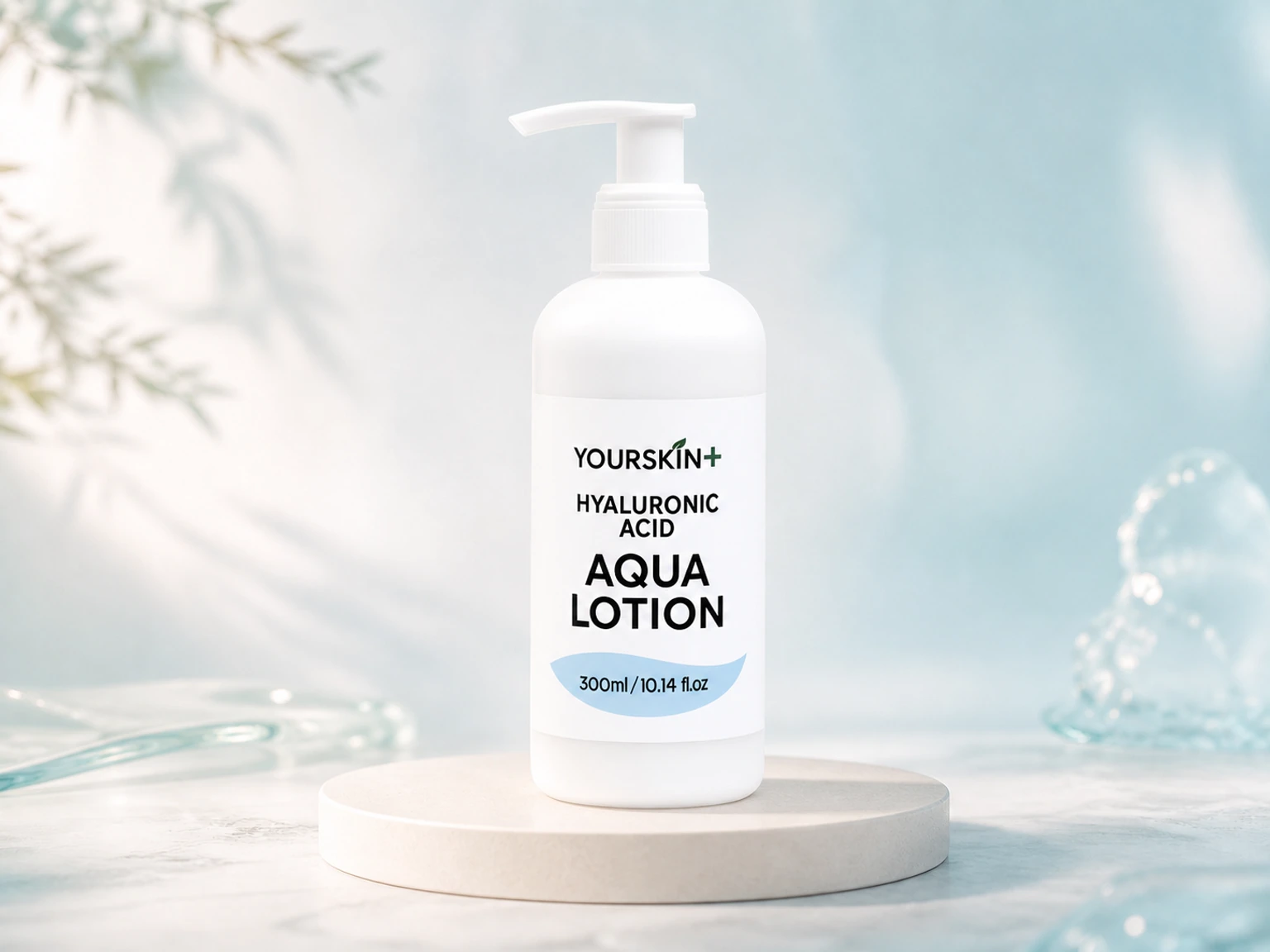
- Hyaluronic Acid Aqua Lotion: 2,050 ppm, about 0.205%
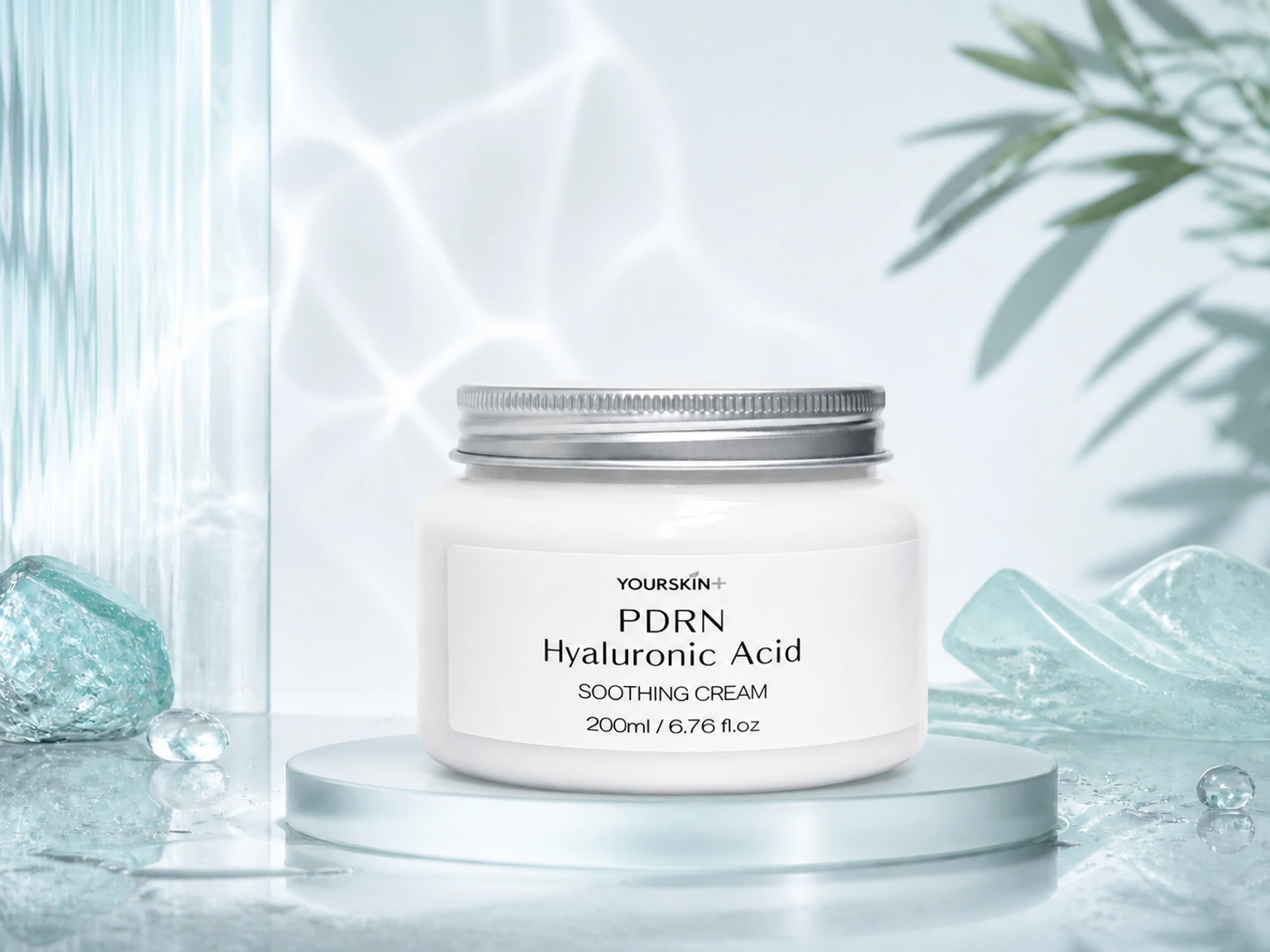
- PDRN Hyaluronic Acid Soothing Cream: 1,000 ppm, about 0.10%
The label confirms names and declared amounts, but not each material’s molecular weight, source or individual contribution to the finished formula.
VERIFIED FACTS
Ingredient facts, separated clearly
Product-label facts are separated from definitions in authoritative ingredient sources. Undisclosed amounts, raw-material specifications and finished-product effects are not inferred.
- What exactly is it?
- Hyaluronic acid is a linear glycosaminoglycan made of repeating sugar units; sodium hyaluronate is its sodium salt.
- Role in cosmetics
- Used in cosmetics as a humectant and skin-conditioning ingredient. A count such as “eight types” does not by itself establish deeper penetration or better hydration.
- Verified in these products
- The labels declare sodium hyaluronate at 1,100 ppm (0.11%) in the toner, 2,050 ppm (0.205%) in Aqua Lotion and 1,000 ppm (0.10%) in Soothing Cream.
- What the label cannot tell us
- An ingredient name alone does not disclose molecular weight, raw-material source, formulation purpose or finished-product performance.
- Label name / INCI
View ingredient names
SODIUM HYALURONATE · HYDROXYPROPYLTRIMONIUM HYALURONATE · SODIUM ACETYLATED HYALURONATE · HYDROLYZED HYALURONIC ACID · HYALURONIC ACID · SODIUM HYALURONATE CROSSPOLYMER · HYDROLYZED SODIUM HYALURONATE · POTASSIUM HYALURONATE
01
Common in toners, essences and lotions
02
Evaluate within the complete humectant system
03
Layer thinly where skin feels dry
EVIDENCE & LIMITS
What the research can support
Evidence scopeHuman evidence exists for specific formulas
A study of specific creams containing 0.1% hyaluronic acid reported improvements in hydration and elasticity measures. It does not directly test these products, whose molecular forms, concentrations and complete formulas differ.
Explore research and original sources
PubMed · Journal of Drugs in Dermatology
Efficacy of cream-based novel formulations of hyaluronic acid of different molecular weights in anti-wrinkle treatment
A 60-day study in 76 participants evaluating specific 0.1% HA cream formulas.
Read source ↗Cosmetic Ingredient Review
Safety Assessment of Hyaluronates as Used in Cosmetics
CIR’s final review covers definitions, cosmetic functions, sources and conditions of use for hyaluronic acid and related salts and derivatives.
Read source ↗CLEAR ANSWERS
FAQ
When should I use a hyaluronic acid toner?
Use it as the first hydration step after cleansing, then add two or three thin layers if needed.
Are more types of hyaluronic acid always better?
The number alone cannot predict a formula’s feel or moisturising performance. Consider amount, supporting humectants and texture together.
What percentage is 1,100 ppm sodium hyaluronate?
1,100 ppm converts to 0.11%. This is the toner’s declared sodium hyaluronate amount, not the combined total of all eight HA-related ingredients.
SKIN NOTES
Related reading
PDRN skincare: what to check beyond the product name
A plain-language guide to checking the ingredient label, amount, texture and routine role when choosing a PDRN cosmetic.
Read articleEight forms of hyaluronic acid: what the number really tells you
How to read the toner’s 1,100 ppm sodium hyaluronate and seven additional HA-related ingredients without treating a count as a quality score.
Read article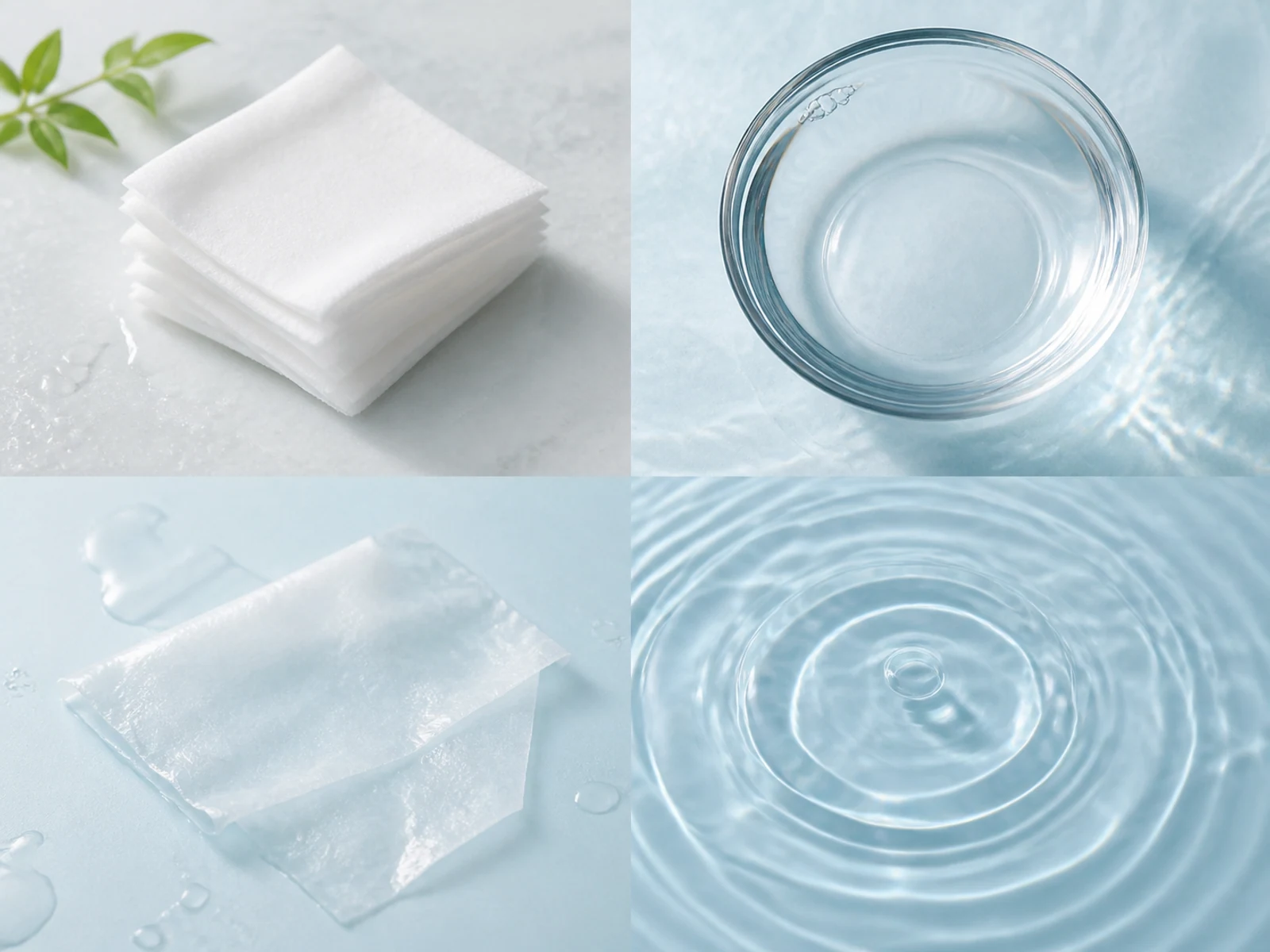
Four useful ways to finish a 500 ml toner
Use a generous toner with palms, a cotton pad, a short toner pack or thin layers—depending on what your routine needs.
Read article